
Views: 152 Author: Site Editor Publish Time: 2026-08-10 Origin: Site


Heavy manufacturing often hides operational costs in plain sight. Thermal shock and inconsistent edge quality drain resources during metal fabrication. Skipping or rushing the preheating phase creates severe problems on the shop floor. Operators face micro-cracking, excessive slag inclusion, and material hardening. These defects force costly downstream rework like heavy machining and manual grinding.
Standardizing preheat protocols solves these issues directly. It represents a strict operational decision. Proper preheating dictates equipment selection, throughput rates, and overall project profitability in industrial gas cutting. By controlling the thermal input before the cut begins, fabricators eliminate the root causes of edge failure and ensure a clean, weld-ready surface.
Metallurgical Integrity: Proper preheating slows the cooling rate of the cut edge, significantly reducing the risk of hydrogen-induced cracking (HIC) and martensite formation in high-carbon and alloy steels.
Operational Efficiency: Achieving the correct preheat temperature allows for higher and more consistent travel speeds, maximizing throughput without sacrificing cut quality.
Equipment Optimization: The effectiveness of the preheat phase is directly tied to selecting the correct cutting torch and cutting nozzle configuration for the specific fuel gas and material thickness.
Risk Mitigation: Standardizing preheat temperatures based on Carbon Equivalent (CE) calculations prevents localized overheating, material distortion, and unpredictable kerf widths.
Thermal expansion and contraction govern metal behavior during cutting. A localized cutting zone reaches extreme temperatures instantly. The surrounding base metal remains cold. This creates a severe temperature gradient across the plate. Preheating minimizes this shock. It gently raises the base metal temperature before the oxidation reaction begins. Managing this thermal gradient directly reduces residual stress. Large steel plates resist dimensional distortion when heated evenly. Operators avoid the warping and cambering that typically ruin long, narrow cuts.
Applying heat gradually allows the crystalline structure of the steel to expand uniformly. When the high-velocity oxygen stream pierces the metal, the surrounding area is already thermally stabilized. This prevents the sudden, violent expansion that causes micro-fractures along the kerf. Consistent thermal management ensures the plate remains flat and dimensionally accurate after the cut cools. When you drag a piece of 3-inch plate in from the yard in January, hitting it immediately with a cutting flame is a recipe for disaster. The extreme delta between the ambient steel temperature and the ignition point causes the material to fight itself. Preheating bridges that gap.
We see this constantly in heavy equipment manufacturing. A shop will cut a 20-foot strip of steel without preheating. By the time the piece cools, it has bowed three inches out of tolerance. The internal stresses pull the metal as the cut edge shrinks. Applying a soaking preheat pass along the entire cut line before engaging the oxygen stream allows the plate to expand and contract as a single unit, maintaining straightness.
Hydrogen-induced cracking requires three specific conditions. You need a susceptible microstructure, trapped hydrogen, and high residual stress. Cold steel plates naturally collect surface condensation. Preheating drives off this moisture completely. This removes a primary source of hydrogen before the flame ignites. Eliminating surface moisture is the first line of defense against weld-zone contamination.
Preheating also lowers the cooling rate of the Heat-Affected Zone (HAZ). A slower cooling cycle allows trapped hydrogen to safely diffuse out of the metal. This prevents brittle martensitic microstructures from forming along the cut edge. Martensite is extremely hard and prone to cracking under stress. By extending the cooling time, the steel forms a more ductile pearlitic or bainitic structure. This softer edge is much easier to machine, drill, or weld in subsequent fabrication steps.
Consider the dew point in a typical fabrication yard. Steel sitting outside absorbs moisture into its surface scale. If you cut that plate cold, the cutting flame breaks down the water molecules. The hydrogen enters the molten steel. As the narrow cut zone cools rapidly against the massive heat sink of the surrounding cold plate, that hydrogen gets trapped in the newly formed, hardened grain structure. Days later, microscopic cracks propagate along the edge. A simple 200-degree preheat eliminates the moisture and slows the cooling rate enough to let the hydrogen escape.
The speed of the oxidation reaction depends heavily on base metal temperature. Cold steel resists the oxygen stream. The reaction stalls, causing the cut to drop out. Preheated steel reacts rapidly and cleanly. Adequate preheating permits faster, uninterrupted travel speeds. Operators finish cuts in less time. This directly lowers labor and overhead costs per cut. Throughput increases without pushing equipment beyond safe limits.
Maintaining a consistent travel speed prevents gouging and washouts. When the plate is properly preheated, the operator or CNC machine can lock in an optimal feed rate. There is no need to slow down to allow the preheat flames to catch up. This continuous, fluid motion produces a machine-like finish on the cut face, reducing the need for secondary finishing operations. If an operator has to constantly stop, back up, and restart a cut because the metal wasn't hot enough to sustain the reaction, you lose hours of production time over a week.
We measure this in inches per minute (IPM). A cold 2-inch plate might force you to crawl at 8 IPM to keep the cut going. Properly preheated, that same plate can be cut at 12 to 14 IPM. That is a massive increase in linear footage processed per shift. The heat does the work, allowing the oxygen jet to cleanly blow the molten slag through the bottom of the kerf without hesitation.
A stable preheat flame ensures continuous, fluid slag ejection. Cold cuts trap slag against the bottom edge of the plate. Preheating keeps the slag molten until it clears the kerf entirely. This reduces tightly adhering dross. You can measure this success through reduced post-cut grinding. Less cleaning means faster transitions to welding or assembly. Kerf consistency improves drastically when thermal expansion is controlled.
Top edge melting is minimized when preheat flames are tuned correctly.
The cut face remains square, lacking the typical concavity seen in cold cuts.
Bottom dross becomes brittle and flakes off easily with a hand scraper.
Kerf width remains uniform from the start of the cut to the finish.
Gouging at the bottom of the cut is eliminated because the slag remains fluid.
Hard dross is the enemy of the fabrication shop. When a cut is made too cold, the slag solidifies the moment it hits the bottom edge of the plate. It welds itself to the base metal. Operators then spend hours with heavy grinders trying to remove it. When the plate is preheated, the ambient temperature of the steel keeps that slag liquid just a fraction of a second longer. It drips clear of the plate. What little dross remains is soft and can be knocked off with a single strike of a chipping hammer.
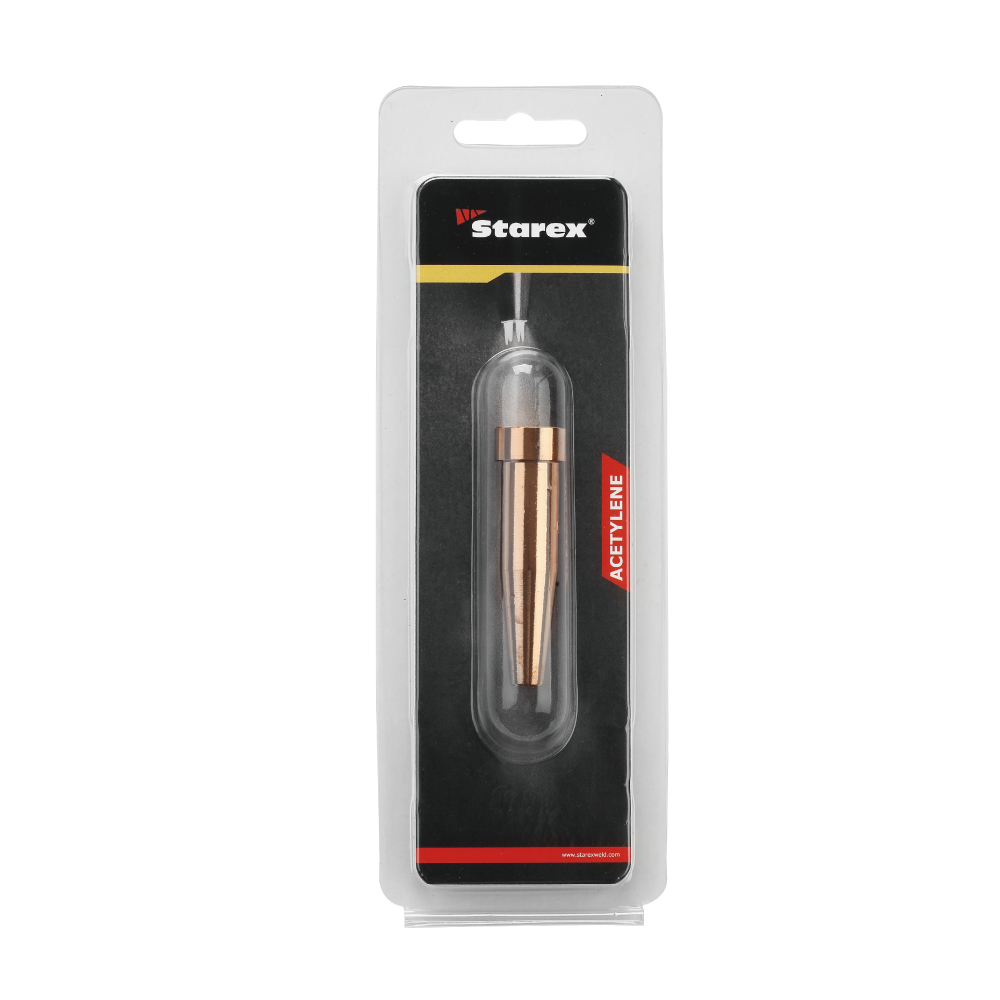
Torch design dictates preheat stability. Injector-type torches operate well on low-pressure fuel gases like natural gas or propane. They use the oxygen flow to pull the fuel gas into the mixing chamber. Equal-pressure torches require balanced gas lines for optimal mixing, typically used with acetylene. Both designs must maintain stable preheat flames under harsh conditions. Selecting the right cutting torch ensures consistent heat delivery across various plate thicknesses.
Manual torch preheating works for short, custom cuts or field repairs. Integrated automated preheating systems dominate heavy-duty CNC profiling. Automated systems hold precise standoff distances. This ensures uniform heat transfer without operator fatigue. High-capacity torches feature larger mixing chambers to deliver the massive BTU output required for preheating plates over four inches thick.
You cannot force a light-duty torch to preheat a heavy slab of steel. The mixing chamber simply cannot flow enough gas to overcome the thermal mass of the plate. The heat wicks away faster than the torch can apply it. Heavy-duty torches are built with larger internal gas passages specifically to support the high-flow preheat flames necessary for thick plate processing.
The nozzle design controls the actual BTU output delivered to the plate. One-piece copper nozzles suit acetylene due to its high burn velocity and intense heat. Two-piece nozzles handle alternative fuels like propane or natural gas, which require a deeper recess to anchor the flame. The preheat orifice size must strictly match the material thickness.
An undersized cutting nozzle fails to penetrate thick plates with enough heat. The cut will repeatedly fail. An oversized nozzle wastes fuel and melts the top edge, destroying dimensional tolerances. Different fuel gases dictate specific nozzle geometries to achieve optimal preheat times. Propane requires more preheat orifices to match the localized heating speed of acetylene.
Fuel Gas Type | Nozzle Design | Preheat Characteristics | Best Application |
|---|---|---|---|
Acetylene | One-Piece Copper | Intense, highly localized heat. Fast piercing. | Thin to medium steel, short preheat times. |
Propane | Two-Piece (Splined) | Broad heat spread. High total BTU output. | Thick plate cutting, heavy scrap processing. |
Natural Gas | Two-Piece (Deep Recess) | Slower localized heating. Excellent edge quality. | CNC profile cutting, automated systems. |
Using a propane nozzle with acetylene gas, or vice versa, guarantees failure. The flame will either starve and pop back into the torch, or it will blow itself out. The preheat orifices are drilled to specific diameters to match the burning velocity of the intended gas. Always match the consumable to the fuel source and the plate thickness.
Preheat requirements vary drastically by material chemistry. Thin low-carbon steel requires minimal preheat. The standard cutting flame provides enough ambient heat to initiate and sustain the cut. Thick sections of mild steel, however, demand strict thermal control to prevent the cut from dropping out.
High-carbon steels and Hardox-style wear plates are highly susceptible to cracking. They require deep, soaking preheat protocols. Failing to preheat wear-resistant steel guarantees edge failure. The extreme hardness of these plates means they cannot absorb thermal shock. They must be brought up to temperature slowly and evenly before the cutting oxygen is introduced.
When you cut AR400 or AR500 wear plate without preheat, you will often hear an audible "ping" a few minutes after the cut finishes. That is the sound of the edge cracking. The high carbon and alloy content makes the steel incredibly rigid. The rapid cooling cycle of a cold cut creates martensite, which cannot handle the internal shrinkage stresses. A 300-degree preheat softens that thermal blow, allowing the edge to yield slightly as it cools, preventing the crack.
The Carbon Equivalent (CE) formula serves as the industry-standard evaluation lens. It determines preheat necessity based on alloy composition. Higher CE values indicate greater hardenability and higher cracking risk. The formula accounts for carbon, manganese, chromium, molybdenum, vanadium, nickel, and copper.
Carbon Equivalent (CE) | Weldability / Cutability | Preheat Requirement | Typical Material |
|---|---|---|---|
Up to 0.35 | Excellent | None (Room Temperature) | Mild Steel (A36) |
0.36 to 0.40 | Good | Mild Preheat (50°C - 100°C) | Medium Carbon Steel |
0.41 to 0.50 | Fair | Moderate Preheat (100°C - 200°C) | High Strength Low Alloy (HSLA) |
Over 0.50 | Poor | High Preheat (200°C - 300°C+) | Wear Resistant Plates (AR400/500) |
Translate these CE values into actionable temperature ranges on the shop floor. Operators use temperature-indicating crayons or digital pyrometers to verify heat levels. Guesswork leads to scrap. Precise measurement ensures the plate is ready for the thermal stress of the cutting process. You mark the plate with a 250-degree crayon an inch away from the cut line. When that mark melts and turns liquid, you know the heat has soaked through the material, and you are safe to start cutting.
Applying too much heat too quickly creates severe implementation risks. Localized overheating leads to surface melting. Top edges become rounded and lose dimensional accuracy. Thinner plates warp under uneven thermal loads. This deformation makes subsequent fit-up and welding nearly impossible.
Mitigate this by soaking the heat evenly across the entire cut path. Avoid spot-heating a single starting point. Use a sweeping motion during manual operations to distribute thermal energy. For CNC operations, program a slow preheat pass along the cut path before engaging the oxygen stream. This ensures the entire heat-affected zone expands uniformly.
If you hold a heavy preheat flame in one spot on a 1-inch plate for too long, you will melt a puddle into the surface before the bottom of the plate even gets warm. Heat needs time to conduct through the steel. A moving torch allows the surface heat to penetrate downward without destroying the top edge. Sequencing your cuts also helps. Cut the internal holes first, then cut the outside perimeter. This allows the bulk of the plate to hold the part rigid while the internal stresses work themselves out.
Manual preheating techniques vary wildly among operators. One operator might rush the process, while another overheats the plate. This inconsistency destroys production schedules. Recommend standard operating procedures (SOPs) for all cutting stations. Document exact preheat times and temperatures for every material grade processed in the facility.
Require operators to verify preheat temperatures before engaging the cutting oxygen stream. Consistent training eliminates guesswork. It standardizes cut quality across all shifts. Regular audits of cut edges will quickly reveal if preheat protocols are being followed or ignored. If you see rounded top edges, the preheat was too hot or the torch was too close. If you see heavy, welded-on dross and a rough cut face, the plate was too cold.
Preheating remains a non-negotiable step for ensuring structural integrity. It guarantees consistent edge quality in professional fabrication. Audit your current setups carefully. Evaluate if your current torch and nozzle combinations deliver adequate preheat energy for the materials you process daily. Proper thermal management separates profitable cutting operations from those plagued by rework.
Review material specifications and calculate CE values for all incoming steel plates.
Audit current scrap and rework rates to identify thermal shock failures.
Consult equipment specialists to upgrade cutting apparatus for optimal thermal control.
Implement temperature-indicating crayons or digital pyrometers at all manual cutting stations.
Establish written Standard Operating Procedures (SOPs) for preheating times based on plate thickness.
A: While thin low-carbon steel is forgiving, thicker sections require preheating to maintain travel speed. It ensures complete slag ejection and prevents thermal shock. Without preheat, thick plates draw heat away from the cut zone too rapidly, causing the oxidation reaction to stall and the cut to fail.
A: Raising the base metal temperature closer to its ignition point allows the oxidation process to occur faster. This enables higher, more consistent travel speeds. Faster cutting reduces labor time and prevents the heat from spreading too far into the surrounding plate, minimizing distortion.
A: An undersized nozzle leads to insufficient heat, causing the cut to drop out and fail. An oversized nozzle wastes fuel gas, melts the top edge of the plate, and creates a wide, unpredictable kerf. Nozzles must strictly match the material thickness and fuel gas type.
A: Use the Carbon Equivalent (CE) formula to assess the material's hardenability. Combine this CE value with material thickness charts provided by metallurgical standards. Verify the required temperature on the plate using temperature-indicating crayons or infrared digital pyrometers before cutting.
A: Standard torches work for moderate thicknesses. However, plates over several inches thick often exceed the BTU output of standard equipment. These require specialized heavy-duty torches, larger preheat nozzles, or external heating methods like induction coils or dedicated rosebud heating tips.
A: Both processes use preheating to reduce cooling rates, manage thermal expansion, and prevent hydrogen-induced cracking. However, cutting preheat is also strictly focused on raising the steel to its kindling temperature to initiate and sustain the exothermic oxidation reaction required to sever the metal.