
Views: 0 Author: Site Editor Publish Time: 2026-09-11 Origin: Site


Oxy-fuel incidents represent one of the highest-risk failure points in metal fabrication, where a minor equipment malfunction can instantly escalate into severe operator injury or catastrophic facility damage. Many fabrication shops and site managers conflate "backfire" with "flashback," leading to misdiagnosed root causes, inadequate safety protocols, and the continued use of compromised equipment. Treating a severe systemic failure as a minor annoyance guarantees a future accident. Operators often ignore the warning signs of reverse gas flow, assuming a loud pop at the torch tip is simply part of the job.
Mitigating these hazards requires a technical understanding of combustion dynamics, rigorous operational procedures, and the strategic procurement of certified safety devices. This guide breaks down the mechanics of backfire and flashback, the root causes of reverse gas flow, and the criteria for evaluating cutting torches, nozzles, and flashback arrestors to ensure operational safety and compliance.
Distinct Threat Levels: A backfire is a localized combustion event at the cutting nozzle, whereas a flashback is a critical systemic failure where the flame travels upstream into the hoses or cylinders.
Primary Catalysts: The majority of flashbacks are triggered by reverse gas flow caused by improper pressure settings, blocked cutting nozzles, or degraded O-rings within the cutting torch.
Equipment Mandates: Relying solely on check valves is insufficient for flashback prevention; integrated or add-on flashback arrestors containing sintered metal filters are mandatory for extinguishing reverse flames.
Operational Trade-offs: Installing safety arrestors introduces pressure drops (flow restriction) that must be calculated and compensated for to maintain optimal cutting performance without compromising safety.
Establishing clear definitions is necessary for accurate hazard reporting and equipment evaluation. When operators cannot distinguish between a localized combustion event and a systemic failure, they cannot take the appropriate corrective actions. Proper terminology drives proper safety responses. We must isolate the mechanics of each event to understand the exact threat level they present to the operator and the facility.
A backfire is a momentary retrogression of the flame into the cutting nozzle, usually accompanied by a loud "pop" or "bang." This happens when the velocity of the burning gas mixture falls below the combustion speed of the flame. The flame essentially burns backward into the tip seeking the unburned mixed gas. In a standard backfire, the event is instantaneous.
During this brief event, the flame either extinguishes completely or reignites at the nozzle tip without traveling further upstream into the torch body. The operator feels a slight physical jolt through the handle, and the cutting process is momentarily interrupted. While a single backfire rarely causes catastrophic damage to the equipment, it serves as a warning indicator.
While less dangerous than a full flashback, frequent backfires indicate underlying equipment or operational issues that require immediate attention. Ignoring repeated popping sounds leads to accelerated wear on the internal seating surfaces of the torch head. Each backfire deposits a microscopic layer of carbon soot inside the nozzle, which eventually alters the flow dynamics and increases the probability of a more severe combustion failure.
A sustained backfire is a condition where the flame continues to burn inside the cutting torch body or mixer. You can easily identify this failure by a distinct whistling, hissing, or high-pitched squealing sound. Unlike a momentary pop, the flame has anchored itself inside the mixing chamber and is actively consuming the brass components from the inside out. The torch body will rapidly increase in temperature.
The immediate physical risks of a sustained backfire are extreme. Rapid heat buildup can melt the internal components of the cutting torch within seconds. Heavy internal carbon deposition ruins the gas mixing channels. If the operator does not shut down the system immediately, the internal fire can melt through the torch walls, causing severe burns to the hands, or transition into a full flashback that travels down the hoses.
Executing a precise emergency shutdown protocol is mandatory when you hear the whistling sound of a sustained backfire. Follow these exact steps to neutralize the threat:
Close the oxygen valve on the torch immediately. This starves the internal flame of its oxidizer, halting the intense combustion process.
Close the fuel gas valve on the torch to secure the combustible gas supply.
Close the cylinder valves for both oxygen and fuel gas.
Allow the torch to cool completely. Do not attempt to quench a hot torch in water, as rapid thermal contraction can warp the internal brass seating surfaces.
Inspect the torch and nozzle for internal melting or heavy carbon buildup before returning the equipment to service.
A flashback is the most severe oxy-fuel hazard. In this scenario, the flame travels past the mixing chamber, upstream through the hoses, and potentially into the regulators and cylinders at supersonic speeds. This is no longer a localized fire; it is a systemic explosion traveling through the gas delivery infrastructure. The flame front moves faster than human reaction time, making manual intervention impossible once the event begins.
The mechanics of a flashback rely entirely on reverse gas flow. This occurs when high-pressure gas forces its way into the lower-pressure gas line. For example, if the oxygen cylinder pressure is significantly higher than the fuel gas pressure, and an obstruction blocks the nozzle exit, the oxygen will push backward into the fuel hose. This creates a highly combustible mixed-gas environment upstream in the hoses long before any ignition source is introduced.
The hazard of an upstream flammable mixture cannot be overstated. When fuel gas and oxygen blend inside the line, the hose itself turns into a potential explosive pipe bomb. Once a backfire provides the ignition source, the flame travels up the mixed-gas hose, rupturing the rubber, throwing shrapnel, and potentially detonating the pressure regulators or the cylinders themselves. Preventing reverse flow is the only way to prevent a flashback.
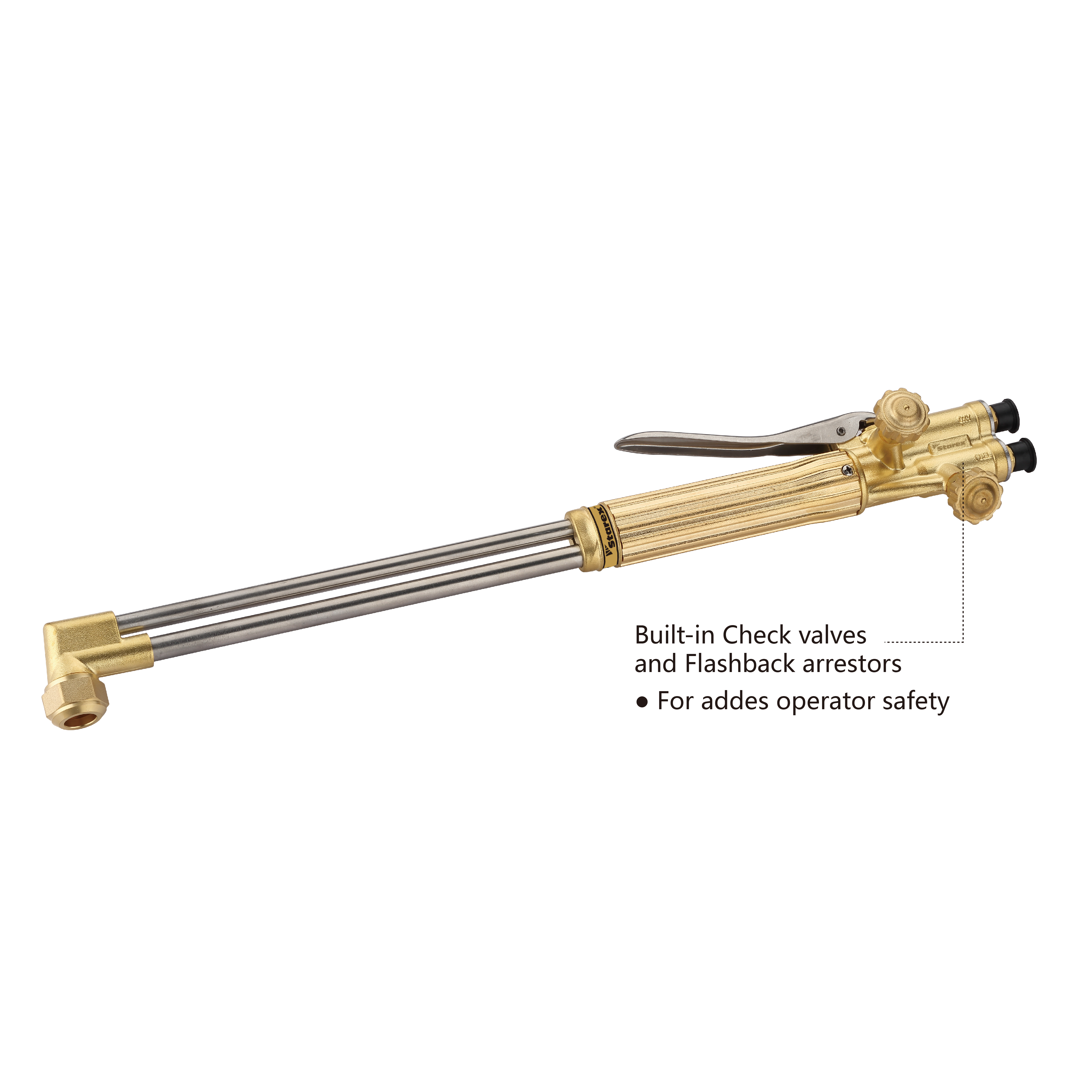
Understanding the mechanical and operational failures that lead to reverse flow is necessary for auditing current gas cutting processes. Flashbacks do not happen spontaneously; they are the direct result of specific physical conditions that operators can measure, monitor, and correct. By breaking down the root causes, fabrication managers can implement targeted training and maintenance schedules.
Starving the cutting tip is a primary driver of flame retrogression. Running fuel gas or oxygen pressures too low for the specific nozzle size allows the flame combustion velocity to exceed the gas flow velocity. The flame naturally burns toward the source of the fuel. If the gas is not pushing out of the tip fast enough, the flame pulls inward. Operators often lower pressures to save gas, inadvertently creating a highly dangerous combustion environment.
Unequal pressures create the exact conditions required for reverse flow. A sudden drop in fuel line pressure—often caused by an empty cylinder, a kinked hose, or a malfunctioning regulator—allows high-pressure oxygen to back-feed into the fuel hose. Conversely, low oxygen pressure can trigger a flashback under heavy cutting load. The system relies on a delicate balance of forward pressure; disrupting that balance forces the gases to mix in unauthorized zones.
Pressure settings must always match the manufacturer's specifications for the exact thickness of the metal being cut and the specific size of the nozzle installed. Guessing pressure settings based on visual flame characteristics is a dangerous practice that frequently leads to tip starvation and subsequent backfires.
Physical blockages at the exit point of the torch force gases to find an alternate route. Slag, spatter buildup, or carbon soot frequently block the preheat orifices or the central cutting oxygen jet of the nozzle. When the exit path narrows, backpressure builds inside the torch head. This backpressure easily overcomes the forward flow of the lower-pressure gas line, initiating reverse flow.
Torch tip closure is a common operational error that guarantees immediate backpressure. This occurs when the operator physically touches the workpiece with the cutting tip, completely sealing the exit orifice. The mixed gases have nowhere to go but backward. The higher-pressure gas instantly forces the lower-pressure gas back down its own hose, creating a volatile mixture that ignites the moment the operator pulls the torch away from the plate.
A blocked exit path forces the mixed gases to seek the path of least resistance. If the oxygen pressure is set to 40 PSI and the fuel is at 5 PSI, a blocked tip will immediately drive oxygen into the fuel line. Furthermore, using damaged, deformed, or worn nozzle seating surfaces disrupts the designed gas flow dynamics. Scratches on the brass cone of the nozzle allow gases to bypass the mixing chamber and mix inside the torch head, creating internal leaks that bypass standard safety checks.
Holding the cutting torch too close to the workpiece or at an incorrect angle physically obstructs the gas flow and forces a backfire. The flame needs space to expand and consume the oxygen and fuel. Crowding the cut pool causes the preheat flames to bounce back against the nozzle face, superheating the copper tip and increasing the likelihood of a sustained backfire. Proper standoff distance is critical for maintaining forward gas velocity.
Failure to properly purge hoses before ignition leaves a volatile, pre-existing mixture of air, oxygen, and fuel gas in the lines. When an operator opens the cylinder valves, the gases push whatever atmospheric air was left in the hoses toward the torch. If the operator strikes a spark before completely flushing the lines with pure gas, the initial ignition can flash back through the impure mixture. Purging is a non-negotiable step in the setup process.
Internal wear factors silently compromise the safety of the equipment. Degraded O-rings, scored seating surfaces, and worn control valves inside the torch allow unintended gas mixing. Over time, the constant tightening and loosening of the nozzle wears down the brass seats. Once these seats lose their perfect seal, oxygen can bleed into the fuel passage within the torch body, creating a localized explosive mixture that ignites during the next cut.
External equipment degradation also plays a massive role in pressure drops. Kinked, crushed, or degraded hoses restrict flow volume. A hose that looks fine on the outside may have internal delamination, where flaps of rubber block the gas flow. These hidden restrictions cause tip starvation, lowering the forward velocity of the gas and inviting the flame to burn backward into the system.
Assessing the hardware required to engineer out the risks of backfire and flashback requires a strict understanding of what each safety device actually does. Relying on outdated or misunderstood safety equipment provides a false sense of security. Facilities must upgrade their hardware based on proven mechanical principles rather than assumed protection.
The most common fatal error in gas equipment setup is confusing check valves with flashback arrestors. Check valves (non-return valves) only prevent reverse gas flow. They utilize a simple spring-loaded flap that closes when backpressure occurs. However, they cannot stop a flame that has already ignited upstream. If a flashback bypasses the mixing chamber, a check valve will simply melt, allowing the explosion to continue toward the cylinder.
True flashback arrestors contain specific internal mechanics designed to quench flames. The core component is a sintered stainless steel element. This porous metal filter allows gas to flow through but forces any reverse flame to break apart into microscopic channels. The massive surface area of the sintered metal rapidly absorbs the heat of the flame, cooling it below its ignition temperature and extinguishing it instantly. Arrestors also include built-in check valves to stop the reverse gas flow that caused the event.
When evaluating flashback arrestors, look for advanced features like thermal cut-off valves. These valves contain a spring held open by a fusible link. If a sustained backfire heats the arrestor to a critical temperature (usually around 200°F to 220°F), the link melts, and the valve permanently slams shut, cutting off all gas flow before the heat can reach the hose. Pressure-sensitive cut-off valves also provide extra security by tripping closed during sudden backpressure spikes.
Safety Device | Primary Function | Stops Reverse Gas Flow? | Extinguishes Reverse Flame? | Thermal Cut-off Capability? |
|---|---|---|---|---|
Standard Check Valve | Prevents gas from flowing backward into hoses. | Yes | No | No |
Basic Flashback Arrestor | Quenches flame and stops reverse flow. | Yes | Yes (via sintered filter) | No |
Advanced Flashback Arrestor | Quenches flame, stops flow, and shuts down under extreme heat. | Yes | Yes | Yes (via fusible link) |
Evaluate torch designs based on where the gases actually mix. Tip-mix torches isolate the oxygen and fuel gases in separate tubes all the way down to the cutting nozzle. The gases only mix once they enter the tip itself. This design significantly reduces the volume of pre-mixed gas that can ignite during a flashback. If a backfire occurs in a tip-mix torch, the explosive volume is confined to the small channels of the nozzle, minimizing damage.
Conversely, torch-mix or injector-mix designs blend the gases in a mixing chamber located in the torch handle or tubes. This creates a larger volume of volatile mixed gas inside the operator's hand. While injector torches are excellent for low-pressure fuel gases, they require strict maintenance to prevent internal explosions.
Assess the materials and machining quality of the torch. Solid brass and stainless steel construction resist the thermal shock of backfires better than cheaper alloys. The precision of the internal machining dictates how well the valves seal and how accurately the gases flow. Poorly machined internal threads allow cross-contamination of gases over time, leading to unpredictable flame behavior and increased flashback risks.
The risks of using cheap, aftermarket consumables far outweigh the initial cost savings. OEM cutting nozzles are machined to exact tolerances to match the specific torch head seating angles. The brass cone of the nozzle must mate perfectly with the internal seat of the torch to keep the high-pressure oxygen completely isolated from the low-pressure fuel gas until they reach the designated mixing zone.
Poorly seated aftermarket nozzles allow gases to bypass the intended channels. If the seating angle is off by even a fraction of a degree, high-pressure oxygen will bleed across the seat and force its way into the fuel gas passage inside the torch head. This creates an immediate internal leak and a massive flashback risk the moment the torch is ignited. Always verify that the nozzle brand matches the torch brand to ensure perfect seating compatibility.
Balancing safety compliance with operational efficiency requires a strategic approach to equipment management. Adding safety devices alters the flow dynamics of the system. Fabrication managers must account for these changes to prevent the safety equipment itself from causing the very tip starvation it is meant to prevent.
Acknowledge the conceptual trade-off: flashback arrestors inherently restrict gas flow. The sintered stainless steel filter that quenches the flame also acts as a physical barrier to the gas. Pushing gas through microscopic pores causes a measurable pressure drop between the regulator and the torch. If you set your regulator to 40 PSI, the torch may only receive 32 PSI after the gas passes through the arrestors and long hose runs.
To mitigate this flow restriction, you must calculate the pressure drop across the arrestor and adjust the regulator delivery pressures accordingly. Consult the flow charts provided by the arrestor manufacturer. If the chart indicates a 5 PSI drop at your required flow rate, increase the regulator pressure by 5 PSI to compensate. This ensures the cutting nozzle receives the correct flow volume, preventing the tip starvation that leads to backfires.
Implement a non-negotiable daily checklist for all operators. Before opening any cylinder valves, operators must inspect the torch for physical damage, check the condition of the visible O-rings on the cutting attachment, and verify that the regulator adjusting screws are backed out. Inspect the hoses for cuts, burns, or soft spots that indicate internal degradation. A two-minute visual inspection prevents catastrophic failures.
Detail the exact, independent purging procedure to clear accumulated mixed gases from the hoses. After setting the correct pressures, open the oxygen valve on the torch for three to five seconds to flush the line with pure oxygen, then close it. Next, open the fuel gas valve for three to five seconds to flush the fuel line, then close it. Never purge both lines simultaneously. Purging independently guarantees that no volatile mixture remains in the hoses before striking the spark lighter.
Establish strict criteria for retiring equipment. Torches that have experienced a sustained backfire or flashback must be taken out of service immediately. Do not attempt to put a scorched torch back to work. The intense heat of a sustained backfire warps the internal brass seating surfaces, making it impossible to achieve a safe gas seal. Compromised torches must be inspected, rebuilt, or replaced by a certified technician.
Recommend routine testing of flashback arrestors according to manufacturer specifications or regional safety standards. Arrestors should undergo flow testing, check-valve function testing, and leak testing at least once a year. Over time, the sintered filter can become clogged with microscopic debris from the gas cylinders, further restricting flow. If an arrestor fails a flow test, discard it. Never attempt to clean or rebuild a sealed flashback arrestor.
Backfires and flashbacks are predictable outcomes of pressure imbalances, equipment degradation, or procedural failures during gas cutting. By understanding the physics of reverse gas flow and the mechanics of flame retrogression, operators can identify the warning signs before a catastrophic failure occurs. Upgrading equipment and enforcing strict operational protocols are the only proven methods for eliminating these hazards from the fabrication floor.
Take the following immediate actions to secure your operations:
Conduct an immediate audit of all oxy-fuel stations to ensure certified flashback arrestors are installed at both the regulator and torch ends where applicable.
Replace any damaged, heavily carbonized, or mismatched aftermarket cutting nozzles with OEM-certified consumables.
Calculate the pressure drop across your specific flashback arrestors and recalibrate your regulator delivery pressures to prevent tip starvation.
Enforce strict pre-shift independent purging protocols for both oxygen and fuel gas lines before any ignition source is introduced.
Remove any cutting torches that have experienced a sustained backfire from service until they are evaluated by a certified repair technician.
A: Close the oxygen valve on the torch immediately to starve the internal fire of its accelerant, followed by the fuel gas valve. Allow the torch to cool and inspect the cutting nozzle for blockages or seat damage before relighting.
A: It depends on the severity of the event and the type of arrestor. Basic arrestors may be compromised by the heat and require replacement, while those with resettable pressure valves might be reusable after professional testing. When in doubt, replace it.
A: Repeated popping is typically caused by oxygen or fuel pressure being set too low, a dirty or damaged cutting nozzle, torch tip closure from touching the metal, or holding the tip too close to the metal surface.
A: For maximum safety, safety standards often recommend arrestors at both ends. Torch-mounted arrestors stop the flame before it enters the hose, while regulator-mounted arrestors protect the cylinders if the hose itself is compromised.
A: Cutting nozzles should be replaced when the orifices become visibly distorted, when cleaning needles no longer easily clear the passages, or if the seating surface shows signs of wear, carbon buildup, or scoring.
A: Reverse flow occurs when one gas line drops in pressure due to an empty cylinder, restricted hose, or blockage, and the higher-pressure gas from the other line forces its way across the mixer and into the lower-pressure hose.