
Views: 136 Author: Site Editor Publish Time: 2026-07-10 Origin: Site


Selecting the wrong oxy-fuel setup leads to excessive gas consumption, poor cut quality, and potential safety hazards on the fabrication floor. An inadequate system creates frustrating bottlenecks. It leaves operators struggling through incomplete cuts and frequent equipment adjustments. For workshop managers and lead fabricators, evaluating an oxy-fuel cutting torch requires matching the equipment's capacity with daily operational realities. These daily realities range from mobile repair tasks to heavy plate profiling.
This guide breaks down the technical specifications, gas requirements, and hardware configurations necessary to shortlist the right kit for your workshop. We will explore fuel choices and vital component selection. You will learn how to match robust equipment perfectly to your daily workflows. Finding the ideal balance ensures smooth, uninterrupted daily operations while maximizing overall workshop safety.
Fuel gas selection (acetylene vs. propane) dictates your entire equipment ecosystem, from regulators to cutting tips.
Torch kit categories range from light-duty HVAC totes to heavy duty cutting equipment rated for 8-inch+ steel.
Standardizing on universally supported torch styles (e.g., Victor or Harris compatible) reduces long-term consumable costs and prevents operational downtime.
Integrated safety features—specifically built-in check valves and flashback arrestors—are non-negotiable for OSHA compliance and workshop safety.
Before reviewing specific torch models, you must audit your facility's daily operations. Every fabrication shop handles different materials. Defining these parameters prevents you from under-equipping your team or over-specifying unnecessary hardware.
Assess material thickness: Identify the maximum and average thickness of mild steel your shop processes. Light-duty kits max out around 1/2-inch to 1-inch material. Meanwhile, heavy-duty rigs handle 8 inches or more. Buying a kit rated for your exact material limits ensures optimal performance.
Determine operational frequency: Differentiate between occasional maintenance tasks and continuous, daily production cutting. Occasional users prioritize quick setup times. High-volume users demand durable components built for prolonged thermal exposure.
Evaluate mobility needs: Assess whether the torch will remain stationed at a cutting table or needs transport across the facility. Field workers require easily carried setups. Dedicated cutting bays benefit from stationary manifold systems supporting larger, heavier equipment.
You must map these three variables before selecting any hardware. A stationary shop processing 1/4-inch plate has entirely different needs than a mobile pipe-fitting crew. Ignoring these variables often leads to mismatched equipment and frustrated operators.
Choosing your fuel gas represents the most critical decision in setting up a propane acetylene torch system. The fuel choice dictates the hoses, regulators, and cutting tips you must use. Each gas offers distinct chemical properties and specific operational constraints.
Acetylene remains the industry standard for versatile metalworking. It produces the highest flame temperature among commonly available fuel gases, reaching approximately 5,720°F. This intense heat enables rapid preheating and fast pierce times on mild steel.
The primary advantage of acetylene lies in its versatility. It is highly capable of cutting, heating, and genuine gas welding. However, acetylene carries strict limitations. It becomes inherently unstable at pressures above 15 psi. Furthermore, it follows the strict 1/7th withdrawal rule. You cannot draw more than 1/7th of the cylinder's total capacity per hour. Exceeding this rate draws dangerous liquid acetone into your regulators.
Propane offers an excellent alternative for specific applications. It provides highly efficient performance for heavy cutting and bulk heating tasks. Operators appreciate propane for its safer storage requirements. It does not suffer from the strict withdrawal limits affecting acetylene.
However, propane has notable limitations. You cannot use it for gas welding due to its oxidizing flame characteristics. Utilizing propane requires specialized hardware. You must use specific grade-T hoses. You also need dedicated propane cutting tips designed to anchor the slower-burning flame.
Choose acetylene for multi-process versatility. If your shop handles welding, brazing, and cutting, acetylene remains superior. Choose propane for dedicated, high-volume cutting and large-scale heating applications. Propane excels when operators primarily cut thick scrap or heat large steel sections.
Fuel Gas Comparison Chart | ||
Feature | Acetylene | Propane (LPG) |
|---|---|---|
Maximum Flame Temp | ~5,720°F | ~5,190°F |
Primary Applications | Welding, Brazing, Cutting | Heavy Cutting, Heating |
Withdrawal Limit | 1/7th rule applies strictly | No strict withdrawal limit |
Hose Requirement | Grade R or RM | Grade T exclusively |
Once you determine your fuel gas, you must select the appropriate equipment tier. Manufacturers group torch systems by duty rating. Choosing the correct category ensures your gear survives the daily workshop environment.
A portable cutting welding kit serves distinct mobility needs. These kits fit perfectly on maintenance carts, mobile repair trucks, and tight-space access areas. Plumbers and HVAC technicians rely on them heavily.
These systems typically utilize small cylinders, such as MC or B tanks for acetylene. They feature integrated carrying totes for easy one-handed transport. The included torch handles usually fall into the light-to-medium duty category. They are compact and highly maneuverable.
The main trade-off is capacity. These setups are highly mobile but limited by low gas volumes. You cannot sustain long cutting sessions. Furthermore, smaller torch bodies limit the size of cutting attachments you can safely operate.
Fabrication shops require different solutions. Heavy duty cutting equipment dominates dedicated fabrication bays, scrap yards, and structural steel processing facilities. These environments demand maximum durability and high gas flow.
These industrial kits feature robust, high-flow regulators capable of delivering massive oxygen volumes. They utilize thicker torch handles. Operators often prefer two-piece combination torches or heavy-duty straight torches for these roles. They integrate seamlessly with large industrial cylinders.
The primary trade-off involves mobility and footprint. These systems require stationary cylinder carts or complex piped manifold systems. They lack the easy portability of smaller tote kits. However, they easily handle extended thermal stress without failing.
An industrial cutting torch is only as reliable as its internal components. Evaluating the hardware details prevents premature equipment failure. You must inspect the torch body, regulators, and hoses carefully.
The physical design of the torch impacts operator efficiency. You generally choose between combination styles and straight models.
Combination Torches: This two-piece design allows operators to swap components quickly. You can detach the cutting attachment and attach welding tips or rosebud heating nozzles. This versatility makes them best for general fabrication tasks.
Straight Torches: This one-piece design is built exclusively for cutting. You cannot attach heating nozzles to it. However, the unified construction makes it incredibly durable. Operators prefer straight torches for high-volume scrap yards and heavy plate cutting.
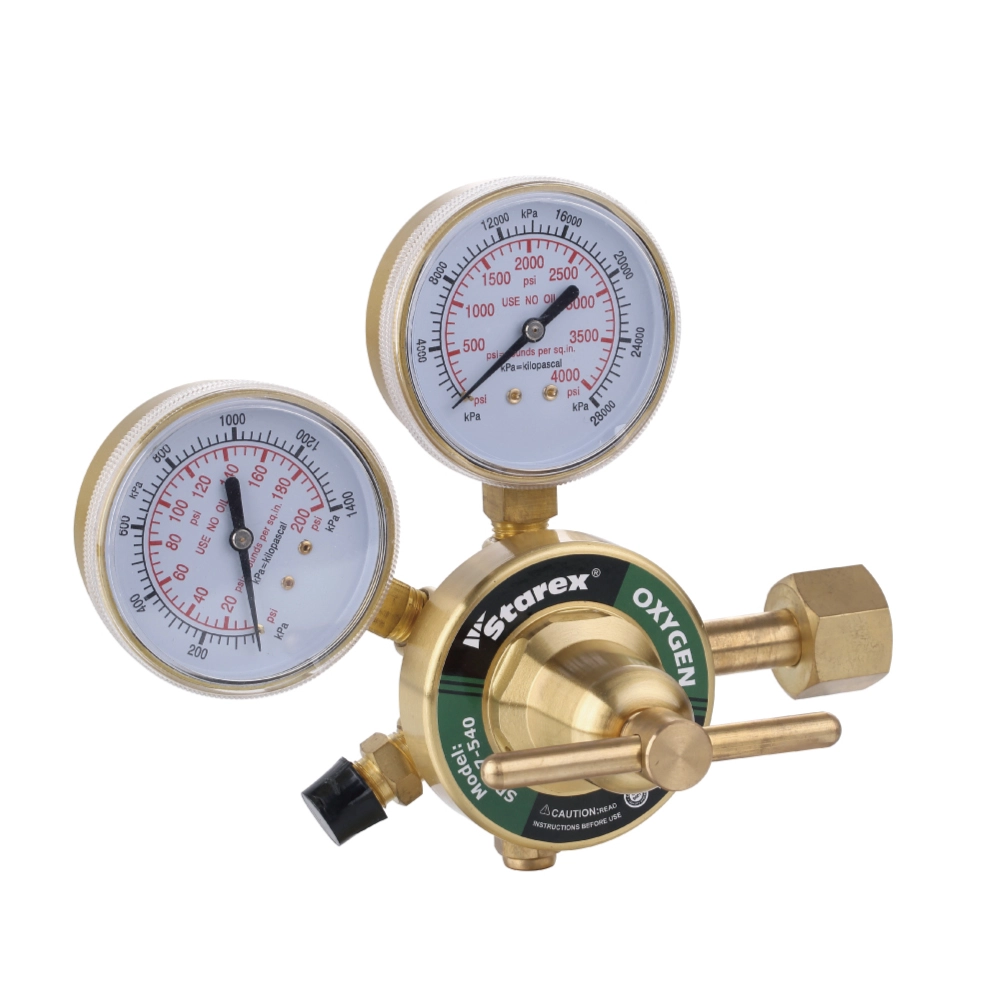
Regulators control the immense pressure held inside the cylinders. Look for solid brass construction rather than lightweight alloys. High-quality regulators feature easy-to-read dual-scale gauges. They must include internal pressure relief valves for safety. Always match the regulator's maximum delivery pressure to your required tip sizes. Undersized regulators will starve large cutting tips of necessary oxygen.
Hose selection directly impacts workshop safety. Ensure your kit includes the correct hose grade for your chosen fuel. Grade R or RM hoses work exclusively for acetylene. They will degrade rapidly if exposed to propane. Grade T hoses resist the deteriorating effects of all fuel gases. They are absolutely mandatory for propane and propylene applications. Always verify the hose markings before connecting any gas supply.
The Cutting torch tip performs the actual work. It preheats the metal and directs the high-pressure oxygen jet. Selecting the right tip requires understanding seat styles, fuel designs, and sizing logic.
Cutting tips are strictly brand-specific. A Victor-style tip will not seat correctly in a Harris-style torch head. Mismatched seats cause dangerous internal gas leaks. Standardizing on universally common styles ensures readily available aftermarket replacements. This prevents workflow interruptions when you need new consumables immediately.
You must match the tip to the fuel gas. Acetylene tips feature flat faces. Acetylene burns rapidly, so the flame remains stable flush against the tip. Conversely, propane and natural gas tips feature heavily recessed faces. These alternative gases burn much slower. The recessed cup design anchors the slower-burning flame, preventing it from blowing out under high oxygen pressure.
Many novice operators fall into the "bigger is better" trap. They use oversized tips hoping for faster cuts. Using an oversized tip wastes expensive oxygen rapidly. It also increases unwanted slag accumulation and causes unnecessarily wide kerfs. Rely strictly on manufacturer thickness-to-tip-size charts. Match the numbered tip size exactly to the steel thickness you intend to cut.
General Cutting Tip Sizing Logic (Example Reference) | ||
Steel Thickness | Typical Tip Size | Oxygen Pressure Range |
|---|---|---|
1/4 Inch | Size 00 | 20 - 25 PSI |
1/2 Inch | Size 0 | 25 - 35 PSI |
1 Inch | Size 1 | 30 - 40 PSI |
2 Inches | Size 2 | 35 - 50 PSI |
Deploying your new equipment requires strict adherence to safety protocols. Proper management strategies ensure your gear performs reliably for years. Workshop managers must prioritize operator protection and sustainable equipment maintenance.
Oxy-fuel systems handle volatile gases under extreme pressure. Verify your chosen kit includes vital safety components. Reverse-flow check valves often sit at the torch handle. They prevent high-pressure oxygen from forcing its way into the low-pressure fuel line. Flashback arrestors install at the torch or regulator. They extinguish reverse-traveling flames before they reach the cylinders. Do not purchase kits lacking these critical devices. They are fundamental for basic workshop safety.
Look beyond the initial equipment acquisition. Consider the logistics of keeping the system operational. Factor in the availability of local gas cylinder leases. Ensure local suppliers stock the exact replacement tips your new handles require. Review the manufacturer warranty terms carefully. Accessible support networks keep your fabrication lines moving without extended interruptions.
Ergonomics play a massive role in user adoption. Heavier, longer industrial torches effectively reduce fatigue from radiant heat exposure. They keep the operator's hands further from the molten puddle. However, long torches require significantly more operator clearance. They struggle in tight spaces. Match the equipment's ergonomics to the specific user environment. Field technicians usually prefer shorter, balanced handles for precise maneuverability.
Choosing the right oxy-fuel cutting torch kit requires balancing fuel gas chemistry with workshop mobility and material thickness. Your decision directly impacts daily fabrication efficiency. A perfectly matched system prevents wasted gas and minimizes tedious secondary grinding operations.
Audit your current gas supply contracts immediately. Determine your facility's maximum material cut thickness based on recent projects. Shortlist kits utilizing universally available consumable styles, emphasizing Grade T hoses and universally compatible tips. Taking these specific steps ensures your fabrication team remains safe, equipped, and productive.
A: Only if you change to a propane-specific cutting tip and upgrade to Grade-T hoses. Acetylene regulators can often be used for propane. However, you must never use acetylene flat-faced tips or Grade-R hoses with propane gas. Doing so compromises the flame stability and degrades the hoses dangerously.
A: A one-piece (straight) torch is a dedicated cutting tool built for heavy-duty, continuous use. It lacks interchangeable heads. A two-piece consists of a handle and a separate cutting attachment. This modular design allows you to quickly swap in welding nozzles or rosebud heating tips for maximum versatility.
A: Tip sizes are dictated by the thickness of the metal being cut. You must consult the specific manufacturer's cutting chart. Sizing numbers, such as Size 0 or Size 1, vary significantly between different brands like Victor, Harris, and Smith. Never guess the size.